
Chow Chow Care Guide for Filipino Owners
The lionhearted breed that needs serious heat management in our tropical climate.

The Chow Chow's legendary double coat, one of the densest of any breed, was built for harsh Siberian winters, not Metro Manila summers. If you're thinking about getting a Chow Chow in the Philippines, remember this breed is very prone to heat stroke. They can also have skin fold dermatitis because of the heat and humidity. Air-conditioning is not a luxury for a Chow Chow in the Philippines; it is a medical necessity. If you cannot commit to a climate-controlled home, this is not the right breed for you.
The Chow Chow is one of the most ancient dog breeds in the world, dignified, loyal, and quietly devoted to its family. In the Philippines, owning a Chow Chow comes with big responsibilities. You must manage their thick coat in the heat. Keeping their deep skin folds clean and dry is key to avoiding infections. Also, they need plenty of mental stimulation for their independent nature. Done right, the Chow Chow is a majestic companion. Done carelessly, the breed suffers. This guide gives you the Philippine-specific playbook to do it right.
Common Health Issues for Chow Chow in the Philippines
Understanding your Chow Chow's health vulnerabilities lets you catch problems early and prevent them from becoming serious.
Heat Stroke
Chow Chows cannot efficiently cool themselves through panting because of their thick coat and short muzzle. In Philippine outdoor temperatures, regularly 32 to 38 degrees Celsius, a Chow Chow can reach dangerous internal temperatures within minutes. Signs include excessive drooling, glazed eyes, and collapse. Keep your Chow Chow in air-conditioned spaces during the day and limit outdoor exposure to early morning or after 7 PM.
Skin Fold Dermatitis
The deep folds on a Chow Chow's face and around its tail trap moisture and bacteria in humid Philippine air. Without daily cleaning, these folds become red, raw, and infected. Wipe every fold with a dry cloth or pet-safe wipe daily, especially after meals, baths, and outdoor time. At the first sign of redness, odor, or discharge, see a vet.
Hip Dysplasia
Chow Chows have a naturally stilted rear gait, which predisposes them to hip dysplasia. Extra weight drastically worsens this condition. Keep your Chow Chow lean. Give them low-impact exercise, avoiding jumping and stairs from puppyhood. Also, consider a joint supplement containing glucosamine and chondroitin starting at age 2.
Entropion (Eyelid Rolling)
Entropion, where the eyelid rolls inward and the lashes scratch the eye, is common in Chow Chows. Watch for excessive squinting, tearing, or pawing at the eyes. Left untreated, it causes corneal scarring and vision loss. This is a surgical condition; book a vet check if you notice any eye irritation.
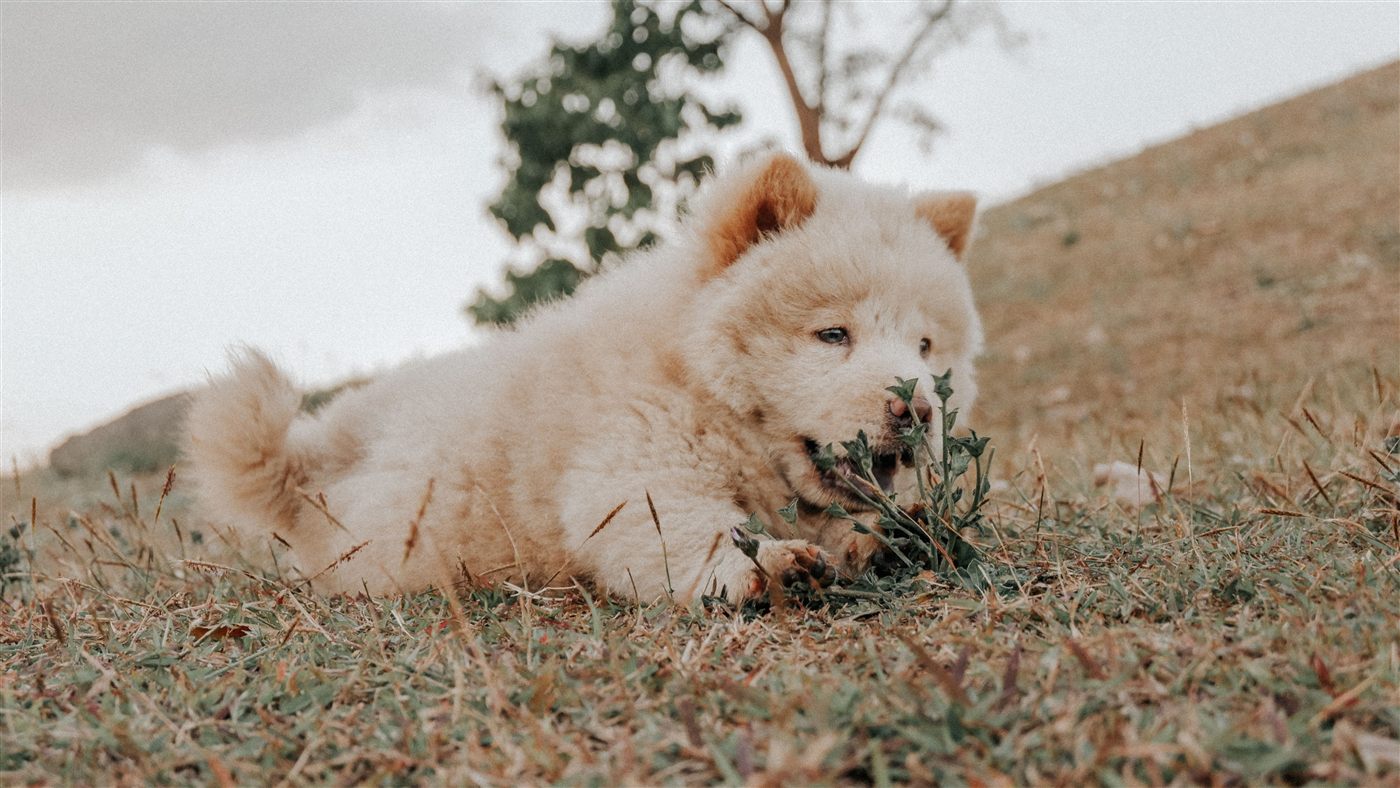
A healthy, well-groomed Chow Chow, the result of a consistent care routine
Grooming Your Chow Chow in the Philippines
Grooming Requirements
Grooming a Chow Chow in the Philippines is both a cosmetic and medical task. The thick double coat mats up in humidity. These mats tug at skin folds, creating a warm, dark space perfect for bacterial infections. Start a daily brushing routine while your Chow Chow is still a puppy. If you wait, they can become hard to groom as adults. Professional deshedding every 6 to 8 weeks is essential. It removes the thick undercoat that traps heat against the skin. This is crucial in the Philippine climate. Don't shave a Chow Chow. Their double coat gives heat insulation and UV protection. Shaving can also ruin the coat's texture for good.
Grooming Products for Chow Chow


Prices may have changed since this page was published — please check the product page for the current price and availability.
What to Feed Your Chow Chow
Nutrition Notes
Chow Chows have a slow metabolism, so they gain weight easily. This is especially true for those living a sedentary lifestyle in air-conditioned environments in the Philippines. Owners should feed measured portions twice daily and resist free-feeding. Skin and coat supplements with omega-3 fatty acids and vitamin E are beneficial for this breed. They help keep the skin barrier strong and lower the risk of fold dermatitis. Wet food can be added in small amounts (no more than 20% of the diet) to increase hydration, which is especially important given the climate.
Shop for Your Chow Chow at Pet Express
View AllProducts selected by our vet team specifically for Chow Chow needs in the Philippine climate.


Prices may have changed since this page was published — please check the product page for the current price and availability.
View More Chow Chow-Friendly Products →Frequently Asked Questions About Chow Chow Care
Book a Vet Check or Grooming Session for Your Chow Chow
Schedule an appointment with the Pet Express vet team, in-store or at a branch near you.
Book Now