
Pomeranian Care Guide for Filipino Owners
Keeping your Pom cool, groomed, and healthy in the Philippine heat.

Pomeranians have a thick double coat that traps heat close to the body. In Metro Manila, summer can get hot, reaching 35°C. This breed is very prone to heatstroke. So, owners need to provide a cool, controlled environment to keep them safe. Limit outdoor walks to the cooler hours before 8 a.m. and after 6 p.m. Always carry water for them.
The Pomeranian is a tiny dog with a massive personality, and a coat built for Siberian winters, rather than Philippine summers. Filipino Pom owners have a special challenge. They must keep their cold-weather breed healthy in one of the hottest and most humid places on Earth. This guide is written specifically for Philippine conditions and covers the grooming, health, and feeding strategies that make a real difference.
Common Health Issues for Pomeranian in the Philippines
Understanding your Pomeranian's health vulnerabilities lets you catch problems early and prevent them from becoming serious.
Heat Stroke
Pomeranians overheat faster than almost any other popular breed in the Philippines. Watch for signs of heat stroke, which include excessive panting, drooling, red gums, staggering, and collapse. If you notice these symptoms, it's crucial to cool your dog with room-temperature water and seek veterinary care immediately. To prevent overheating, keep your dog in air-conditioned areas. Make sure it has shade and drinks cool water. Also, avoid outdoor exercise during the hottest part of the day.
Tracheal Collapse
Pomeranians have narrow tracheas. These can collapse under pressure, leading to a honking cough. To reduce this risk, always use a properly fitted chest harness for walks instead of a collar. Keep your dog at a healthy weight, as obesity can worsen the condition. If you notice frequent coughing or any difficulty in breathing, make sure to take your dog to the vet for an evaluation. There are management medications available that can help.
Dental Disease
With a small jaw and lots of teeth, Pomeranians are highly prone to tartar buildup, which begins by age 2 without proper brushing. Untreated dental disease can lead to pain and serious complications with the heart and kidneys. Start brushing their teeth 3 to 4 times a week using pet-safe toothpaste. Consider giving them dental chews and make sure to schedule annual dental cleanings.
Alopecia X
A coat condition often found in Pomeranians and other Nordic or Spitz breeds. It usually starts in the back legs and leads to gradual thinning of the coat. This may result from a hormonal imbalance and is not life-threatening. Neutering sometimes resolves it. If you notice symmetric hair thinning without itching or redness, see a vet to rule out other causes and confirm a diagnosis of Alopecia X.
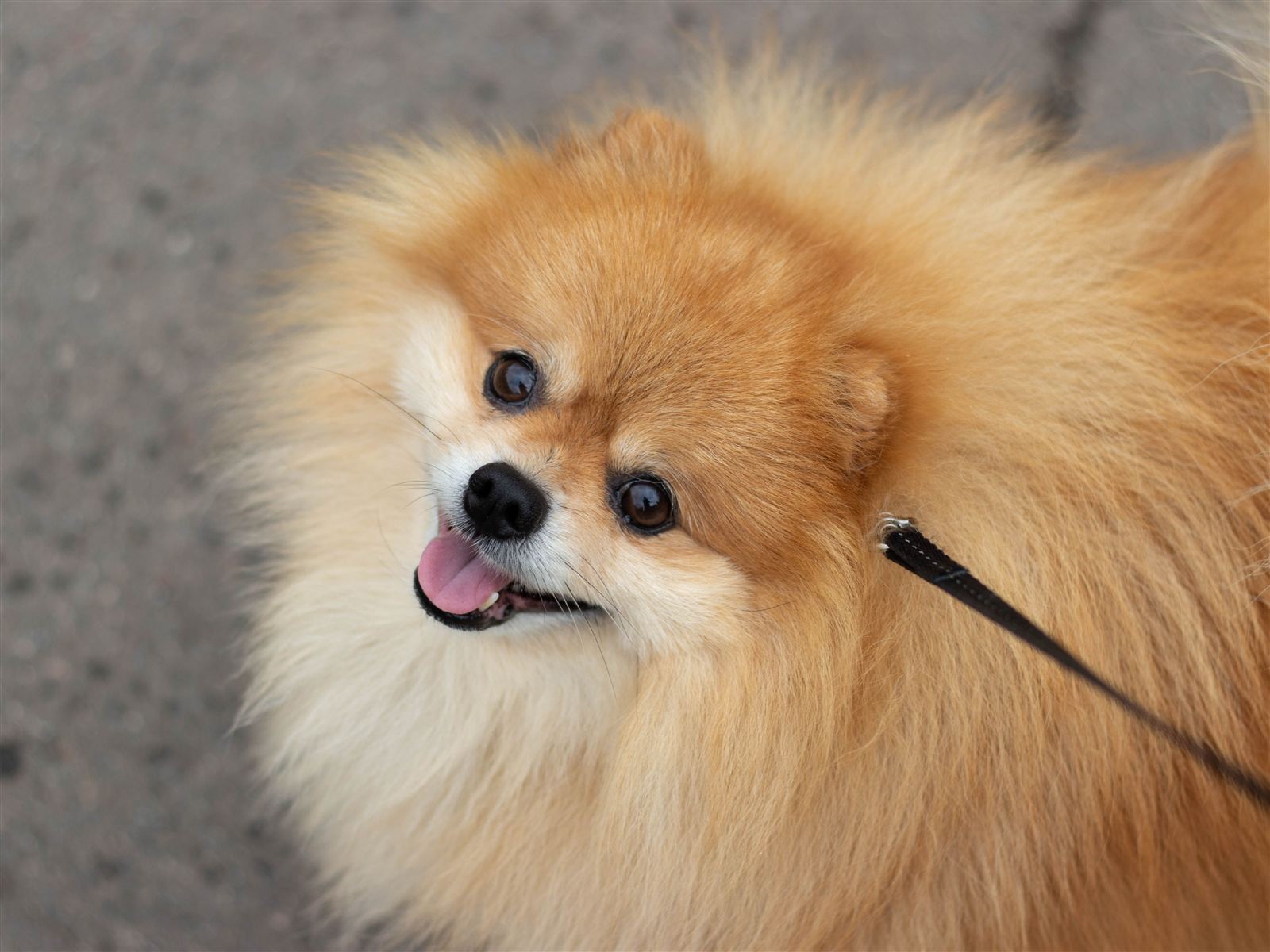
A healthy, well-groomed Pomeranian, the result of a consistent care routine
Grooming Your Pomeranian in the Philippines
Grooming Requirements
A Pomeranian's coat is their defining feature, and the biggest challenge for Filipino pet owners. Brush your Pomeranian daily. This helps keep their coat healthy and prevents the undercoat from matting against the skin. During the rainy season, you should expect to spend about 15 to 20 minutes brushing each day. To help reduce heat stress, consider opting for a teddy bear or lion trim. Avoid shaving your Pomeranian down to the skin, as their double coat is crucial for protecting them from both heat and sunburn.
Grooming Products for Pomeranian


Prices may have changed since this page was published — please check the product page for the current price and availability.
What to Feed Your Pomeranian
Nutrition Notes
A good coat starts from the inside. When grooming alone fails to fix dull or brittle fur, look to the dog's diet as the primary cause. Pomeranians require a nutritionally complete diet for their life stage, typically found in high-quality small-breed kibble. This kibble should contain high-quality protein, omega-3 fatty acids, and biotin to support their coats in the Philippines' humid climate. To maintain their energy, feed them 2 to 3 small meals each day. Pomeranians can get hypoglycemic if they miss meals, especially when they're puppies. Avoid giving them high-fat table scraps, which can lead to rapid weight gain — extra weight can worsen tracheal collapse and heat intolerance.
Shop for Your Pomeranian at Pet Express
View AllProducts selected by our vet team specifically for Pomeranian needs in the Philippine climate.


Prices may have changed since this page was published — please check the product page for the current price and availability.
View More Pomeranian-Friendly Products →Frequently Asked Questions About Pomeranian Care
Book a Vet Check or Grooming Session for Your Pomeranian
Schedule an appointment with the Pet Express vet team, in-store or at a branch near you.
Book Now